Despite consistent advancements in the clinical management of patients living with cancer, the health consequences of many treatment strategies commonly contribute to muscle wasting, decreased CRMF, and increased risk of developing chronic diseases.47,202,203 Each of these is associated with an increased risk of adverse events, mortality, and loss of physical independence.47,202,204,205
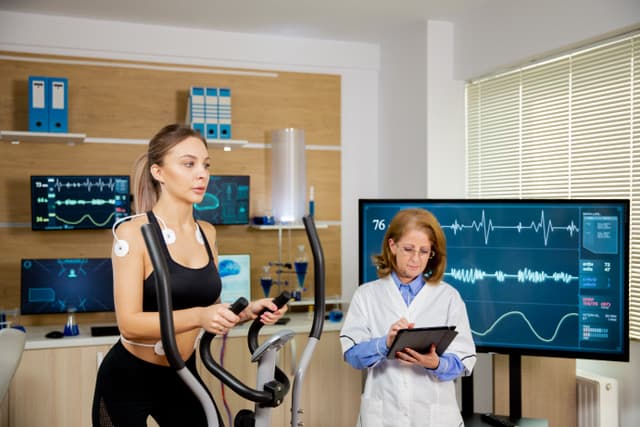
There is a rapidly growing body of literature that recognizes the benefit of including EMD&T in the management of oncology patients, and exercise prescription is widely considered to be a part of the contemporary treatment model.41,46,200,201 A systematic review and meta-analysis of 52 studies in patients undergoing cancer surgery demonstrated a significant association between higher preoperative CPET values and better postoperative outcomes.199
Identifying individuals with low fitness levels could help facilitate treatment decision-making and highlight the need for exercise interventions before, during, and after treatment.46,199–201 Collectively, considering the recently observed rise in cancer incidence among adults younger than 50,206,207 coupled with the increased risk of developing chronic health conditions after treatment,203 physicians trained in EMD&T will be needed to effectively support patients living with cancer.